Surgery
Surgery at our Miami hospital
Paws and Claws Medical Center is a surgical hospital in Miami for dogs, cats, birds, rabbits, reptiles, and small mammals. Orthopedic and soft-tissue surgery, minimal-access and endoscopic-assisted procedures, advanced dentistry, BOAS airway surgery, and selected ocular procedures are performed here under species-specific anesthesia. We do not offer neurosurgery or advanced ophthalmology. Call (786) 361-9344. We are not a 24/7 ER.
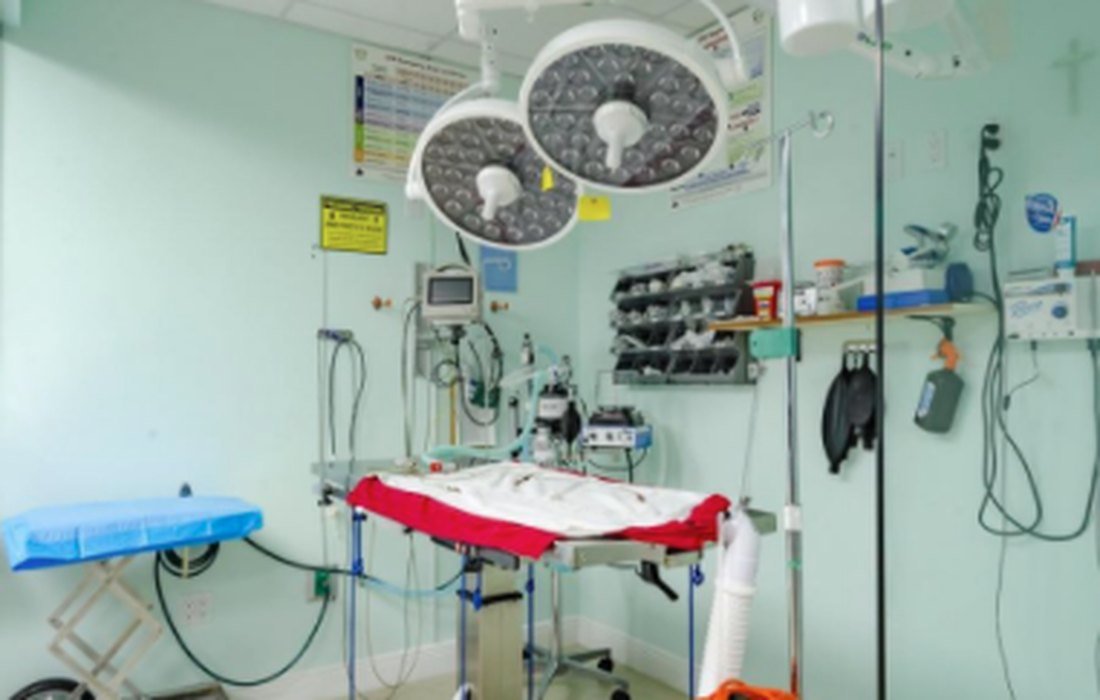
What this hospital is set up to operate
Surgery at Paws & Claws Medical Center is hospital-grade work for traditional pets and non-traditional species under one roof. The caseload includes orthopedic repair, soft-tissue surgery, minimal-access endoscopy, endoscopic-assisted procedures, and advanced dentistry for dogs, cats, birds, rabbits, reptiles, and other small mammals when the patient and the indication fit. Laparoscopic and other minimally invasive approaches are used when a smaller incision is the safer plan — including laparoscopic spay, exploratory, and biopsy for appropriate patients. Respiratory support and fluid therapy are part of how we keep surgical patients safe, not brochure filler.
Airway and selected eye surgery belong on this page too. We perform BOAS (brachycephalic obstructive airway) surgery for dogs that need it, and we manage corneal lesions and third-eyelid repositioning when that is the right procedure. What we do not offer here is neurosurgery, and we do not run an advanced ophthalmology service. If your pet needs spinal cord surgery, intracranial work, cataract surgery, glaucoma surgery, or another specialist eye procedure beyond corneal lesions and third-eyelid repositioning, we will say so plainly and help you find the right referral rather than stretch past what this building staffs.
Minimally invasive is a technique with indications. When an open approach is safer, we say so in the room. We describe the work, not invented machine brand names.
How we prepare — arrive early, bloodwork, species fasting
Arrive early on the procedure day so we can move patients into the procedure areas to acclimate and reduce stress. Pre-anesthetic bloodwork before inducing anesthesia is required. Fasting rules are species-specific. Do not invent a dog fast for a rabbit.
Birds
Remove food from the enclosure the night before for most birds to reduce regurgitation risk under anesthesia. Smaller and younger birds with high metabolic rates should not be fasted the same way — offer about half of their meal early on the morning of surgery to reduce hypoglycemia risk. Keep them warm. Travel in a secure carrier.
Small herbivore mammals (rabbits, guinea pigs, and similar)
Fasting is not necessary — vomiting during induction is uncommon, and withholding food risks problems tied to their high basal metabolic rate. Leave water available; we will remove it when we administer medication. Minimize handling. Pre-existing respiratory disease is common — arriving early so oxygen can be offered before anesthesia is advisable when that applies.
Reptiles
Correct dehydration, anemia, acid-base problems, or hypoglycemia before elective procedures when possible. Regurgitation and aspiration risk is generally low, but fasting of one or two feeding cycles is advised when digestion may be impaired after the procedure.
Omnivore and carnivore mammals (including ferrets)
Overnight fasting is typical to reduce regurgitation risk. Smaller and younger patients should often avoid a full fast — offer about a quarter of their meal early on the morning of surgery. For ferrets, conditions such as adrenal disease, cardiomyopathy, anemia, and endocrinopathies including insulinoma are common enough that they must be considered before surgery.
Dogs and cats
Do not leave food available overnight for most dogs and cats. Smaller, younger, or medically fragile patients with higher metabolic rates may need a quarter meal early on the morning of surgery instead of a full fast. We will confirm the plan when the surgery is scheduled.
Recovery and anesthesia
Most pets do best in a quiet, dim room away from other animals during early recovery. If anxiety or pain looks wrong for a long stretch, call. Anesthesia is monitored. Pre-anesthetic assessment is how we decide whether today is a safe day to proceed — if it is not, we will not invent a reason to push ahead.
Related: dental services (including endoscopic dentistry), small-animal spay/neuter (call for price), and in-hours urgent care.
Hablamos español. (786) 361-9344.
Questions owners actually ask
Do you do orthopedic surgery?
Yes. Orthopedic and soft-tissue surgery are part of the hospital caseload when the patient is a candidate.
Do you do endoscopy and laparoscopic surgery?
Yes. Minimal-access endoscopy, endoscopic-assisted procedures, and laparoscopy when a smaller incision is the safer plan.
Do you operate on birds, rabbits, and reptiles?
Yes. Advanced dentistry and surgery for non-traditional species are performed here with species-specific anesthesia — not a scaled-down dog protocol.
Do you do BOAS or eye surgery?
BOAS airway surgery, corneal lesions, and third-eyelid repositioning yes. Neurosurgery and advanced ophthalmology (cataracts, glaucoma surgery, and similar) no — we refer those.
Do I fast a rabbit before surgery?
No. Small herbivores generally should not be fasted; leave water available unless we say otherwise.
Is pre-anesthetic bloodwork required?
Yes, before inducing anesthesia.
After hours: We are not a 24/7 emergency hospital. Sick or injured during open hours? Call (786) 361-9344. After we close, go to a local emergency hospital.